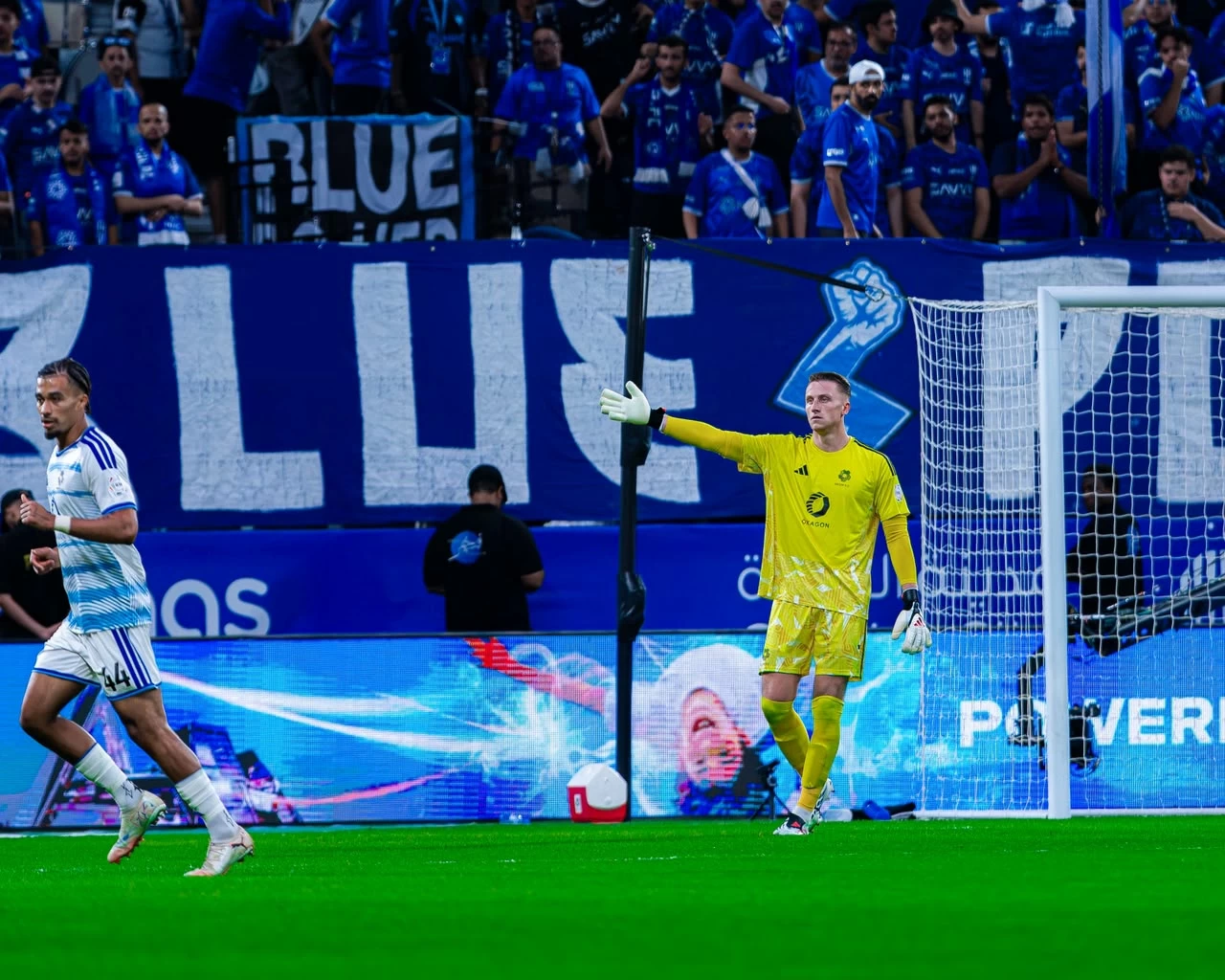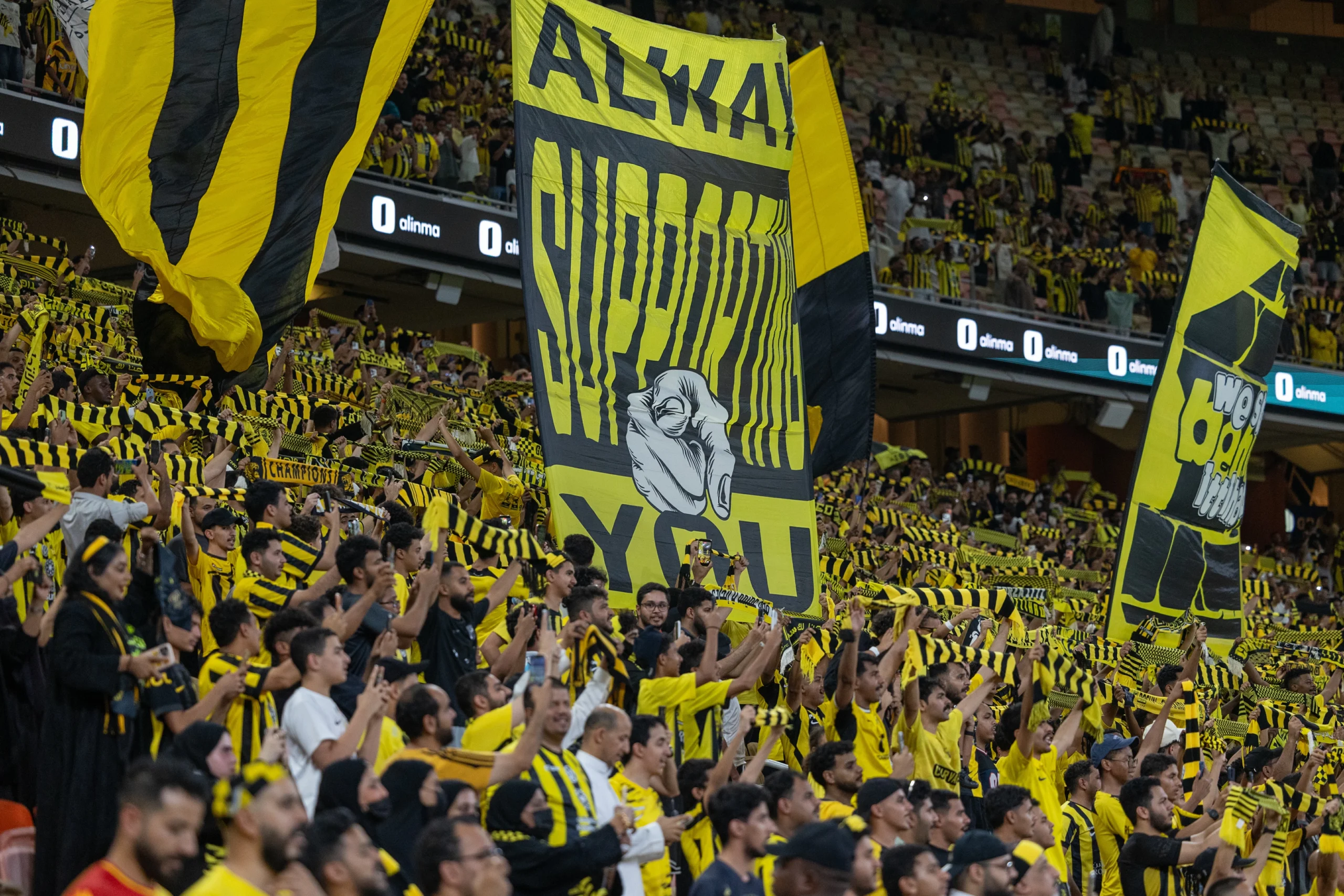
أصبحت منصات التواصل الاجتماعي ساحة مؤثرة في تشكيل الرأي الرياضي، إلا أن بعض الدعوات التي تنتشر لمقاطعة تشجيع الفرق وعدم حضور المباريات بدعوى عدم الرضا عن النتائج أو الأداء تستدعي الوقوف عند آثارها الاجتماعية والنفسية، فالتشجيع الرياضي الحقيقي يقوم على الانتماء والدعم في أوقات الفوز والخسارة، وليس الارتباط بالنتائج فقط.
وحول ذلك تقول الأخصائية الاجتماعية مروج محمد شاهيني لـ«عكاظ»: «بعض الحسابات التي تروج لمثل هذه الدعوات قد لا تمثل جماهير النادي الفعلية، بل قد تكون حسابات وهمية أو أفرادًا لا ينتمون إلى تلك الفرق، ويهدفون إلى التأثير على الروح المعنوية للاعبين والإدارة والجماهير من خلال الدعوة إلى الغياب عن المدرجات وإظهار حالة من الرفض أو الانقسام، كما أن بعض الجماهير الوهمية تسهم في نشر التعصب الرياضي وإثارة الخلافات بين المشجعين، من خلال بث رسائل سلبية أو معلومات مضللة تؤجج التوتر وتضعف قيم الاحترام والتنافس الشريف».
وتضيف شاهيني: «من الناحية الاجتماعية والنفسية، فإن هذه الممارسات قد تؤثر سلبًا على المشجعين الحقيقيين، حيث تخلق أجواء من الإحباط والانقسام، وتضعف الشعور بالانتماء الجماعي، كما قد تدفع بعض الفئات خاصة الشباب إلى تبني مواقف متشددة أو عدائية تجاه الآخرين، كذلك فإن غياب الدعم الجماهيري الحقيقي قد ينعكس على أداء الفرق ويؤثر في العلاقة الإيجابية بين النادي وجمهوره».
وأضافت: «الانشغال بالصراعات الرقمية والجدل المستمر على منصات التواصل قد يحرم الجماهير من الاستمتاع الحقيقي بالرياضة، حيث يتحول التركيز من متابعة المنافسة ودعم الفريق إلى تتبع الخلافات والردود المتبادلة، مما يفقد الرياضة جانبها الترفيهي والتربوي الذي يجمع الناس على المحبة والتنافس الشريف».
ولفتت إلى أنه لا يمكن إغفال دور الأسرة في تعزيز الوعي الرقمي لدى الأبناء، وتعليمهم كيفية التعامل مع المحتوى الرياضي بطريقة متوازنة، والتمييز بين النقد الموضوعي والمحتوى التحريضي، كما تقع مسؤولية كبيرة على المؤثرين والإعلاميين الرياضيين في تقديم رسائل إيجابية تسهم في تهدئة الأجواء وتعزيز ثقافة الحوار والاحترام المتبادل.
وختمت شاهيني حديثها بقولها: «الانتماء الرياضي الحقيقي يظهر في دعم الفريق خلال فترات النجاح والتحديات معًا، فالجماهير شريك أساسي في مسيرة الأندية، ومن هنا أدعو جميع الجماهير ومستخدمي منصات التواصل إلى التحلي بالمسؤولية عند النشر والتعليق، والتأكد من صحة المعلومات قبل تداولها، وعدم الانجراف وراء الحسابات المجهولة أو الدعوات التي تهدف إلى إثارة الفتنة والتعصب، فالمجتمع الرياضي الصحي هو الذي يجمع أفراده الاحترام والتشجيع الإيجابي والوعي بأن الرياضة وسيلة للتقارب وبناء العلاقات الإنسانية، وليست ساحة للخلاف والانقسام، كما أن دعم الفرق بروح رياضية يسهم في تعزيز التماسك الاجتماعي ونشر ثقافة الاحترام والتنافس الإيجابي».
Social media platforms have become an influential arena in shaping sports opinions; however, some calls circulating to boycott supporting teams and not attending matches on the grounds of dissatisfaction with results or performance require us to consider their social and psychological effects. True sports encouragement is based on belonging and support during times of victory and defeat, not just tied to results.
In this regard, social specialist Marouj Mohammed Shahini told “Okaz”: “Some accounts promoting such calls may not represent the actual fans of the club; they could be fake accounts or individuals who do not belong to those teams, aiming to affect the morale of players, management, and fans by calling for absence from the stands and showing a state of rejection or division. Additionally, some fake fans contribute to spreading sports fanaticism and stirring conflicts among supporters by disseminating negative messages or misleading information that fuels tension and undermines the values of respect and fair competition.”
Shahini adds: “From a social and psychological perspective, these practices can negatively affect true fans, as they create an atmosphere of frustration and division, weakening the sense of collective belonging. They may also push certain groups, especially the youth, to adopt extreme or hostile positions towards others. Furthermore, the absence of genuine fan support can reflect on team performance and affect the positive relationship between the club and its audience.”
She added: “Being preoccupied with digital conflicts and ongoing debates on social media may deprive fans of truly enjoying sports, as the focus shifts from following the competition and supporting the team to tracking disputes and exchanges of responses, which detracts from the recreational and educational aspect of sports that brings people together in love and fair competition.”
She pointed out that the role of the family in enhancing digital awareness among children cannot be overlooked, teaching them how to engage with sports content in a balanced way and distinguishing between objective criticism and inciting content. There is also a significant responsibility on influencers and sports journalists to deliver positive messages that contribute to calming the atmosphere and promoting a culture of dialogue and mutual respect.
Shahini concluded her remarks by saying: “True sports belonging is demonstrated by supporting the team during periods of success and challenges together. Fans are a fundamental partner in the journey of clubs, and from here, I call on all fans and social media users to act responsibly when posting and commenting, ensuring the accuracy of information before sharing it, and not being swayed by anonymous accounts or calls aimed at inciting discord and fanaticism. A healthy sports community is one where its members are united by respect, positive encouragement, and the awareness that sports is a means of closeness and building human relationships, not a battleground for disputes and division. Supporting teams with sportsmanship contributes to enhancing social cohesion and spreading a culture of respect and positive competition.”